
Multi-Cloud vs. Hybrid Cloud: Which Is Right for Your Business?
Multi-Cloud vs. Hybrid Cloud: Which Is Right for Your Business

Learn how Generative Search Optimization (GEO) is transforming digital marketing in the age of AI-powered search. Discover strategies for building entity authority, improving AI search visibility, and combining SEO with GEO to stay competitive in evolving search environments.

Search is changing faster than ever. For years, businesses focused on Search Engine Optimization (SEO) to improve rankings on search engines like Google. The goal was simple: optimize content with the right keywords and earn a place on the first page of search results.
Today, the rise of AI-powered search tools is transforming how people find information online. Platforms such as Google AI Mode, and Perplexity AI are providing direct answers instead of just displaying lists of links. As a result, Generative Search Optimization (GEO) has emerged as a new strategy for increasing visibility in AI-powered search results.
In this blog, we'll explore what GEO is, why it matters, and how businesses can build entity authority to rank better in AI search.
Generative Search Optimization (GEO) is the practice of optimizing content so that AI search engines can easily understand, trust, and reference it when generating answers for users.
Traditional SEO focuses heavily on keywords, backlinks, and search rankings. GEO goes a step further by helping AI systems recognize your brand, products, services, and expertise as reliable entities within a specific topic.
For example, when someone asks an AI assistant for the best digital marketing strategies, the AI may generate a response using information gathered from multiple trusted sources.
AsAIsearchcontinuestogrow,businessesthatoptimizeforGEOcangainvisibilityevenwhen users never click on traditional search results
AI-powered search engines are designed to provide instant answers. Instead of requiring users to visit multiple websites, they summarize information and present it directly within the search experience.
This creates what many marketers call a zero-click search environment. Users get answers without necessarily clicking through to a webpage.
While this may sound challenging, it creates new opportunities for brands that establish credibility and authority online. AI systems are more likely to reference businesses that consistently publish accurate, well-structured, and trustworthy content.
This means marketers must think beyond keyword rankings and focus on becoming recognized experts in their industries.
One of the most important concepts in GEO is entity authority.
An entity is a person, brand, product, place, or concept recognised by AI.
For example, a software company may be recognised as an entity because it has:
● Consistent branding across platforms
● Detailed website information
● Industry mentions and citations
● Customer reviews and testimonials
● Authoritative content on relevant topics
When AI systems encounter the same entity across multiple trusted sources, they gain confidence in that entity's credibility.
This is why building a strong digital presence across websites, directories, publications, and social platforms has become increasingly important.
Helpful and informative content is more likely to be featured by AI search engines. Focus on creating content that:
● Answers common questions
● Provides practical solutions
● Uses clear language
● Includes updated information
● Demonstrates expertise
Rather than writing solely for search engines, write for real people. Content that delivers value is more likely to be referenced by AI systems.
Instead of creating random content, focus on becoming an expert within a specific niche. For example, if your business specializes in digital marketing, publish content related to:
● SEO
● Content marketing
● Social media marketing
● Email campaigns
● Marketing automation
The more comprehensive your coverage of a topic, the more likely AI systems will recognize your expertise.
Implementing structured data improves content clarity for search engines. Schema markup can identify:
● Businesses
● Products
● Articles
● Authors
● Reviews
● Events
This improves machine readability, a critical factor in GEO.
Consistency matters.
Maintain consistent business details across:
● Website pages
● Social media profiles
● Business directories
● Press releases
● Industry listings
AI systems use multiple sources to verify information. Consistency strengthens trust and reinforces your entity authority.
Mentions from respected websites help establish credibility. This can include:
● Guest articles
● Industry interviews
● Media coverage
● Research contributions
● Expert commentary
The more trusted sources reference your business, the stronger your authority becomes in the eyes of both search engines and AI systems.
Google emphasizes E-E-A-T:
● Experience
● Expertise
● Authoritativeness
● Trustworthiness
These principles are becoming even more important in AI-driven search. To strengthen E-E-A-T:
● Publish expert-written content
● Include author profiles
● Cite reliable sources
● Share real-world experience
● Keep information updated
AI systems are increasingly designed to prioritize trustworthy information, making E-E-A-T a critical part of GEO success.
For additional guidance on content quality and trust signals, marketers can explore resources from Google’s Search Quality Guidelines.
GEO does not replace SEO.
Instead, GEO builds upon traditional SEO principles. Businesses still need:
● Keyword research
● Technical optimization
● Fast website performance
● Mobile responsiveness
● Strong user experience
However, GEO introduces additional priorities such as entity recognition, machine readability, and authority building.
The most successful digital marketing strategies combine both SEO and GEO to maximize visibility across traditional and AI-powered search platforms.
The future of search is increasingly conversational. Users are asking questions in natural language and expecting direct, personalized answers.
To stay competitive, businesses should:
● Focus on content quality
● Strengthen brand authority
● Build recognizable entities
● Improve structured data implementation
● Create user-focused experiences
Companies that adapt early will be better positioned to appear in AI-generated responses and maintain online visibility as search continues to evolve.
Industry insights from Search Engine Journal regularly highlight how AI is reshaping search marketing and content strategies.
Generative Search Optimization (GEO) represents the next stage in the evolution of digital marketing. As AI-powered search engines become more common, ranking success will depend on more than just keywords.
Businesses must focus on building strong entity authority, creating trustworthy content, and making information easy for AI systems to understand.
By combining traditional SEO best practices with GEO strategies, brands can improve their chances of being featured in AI-generated answers, increase their online visibility, and stay ahead in the rapidly changing search landscape.
Keep reading
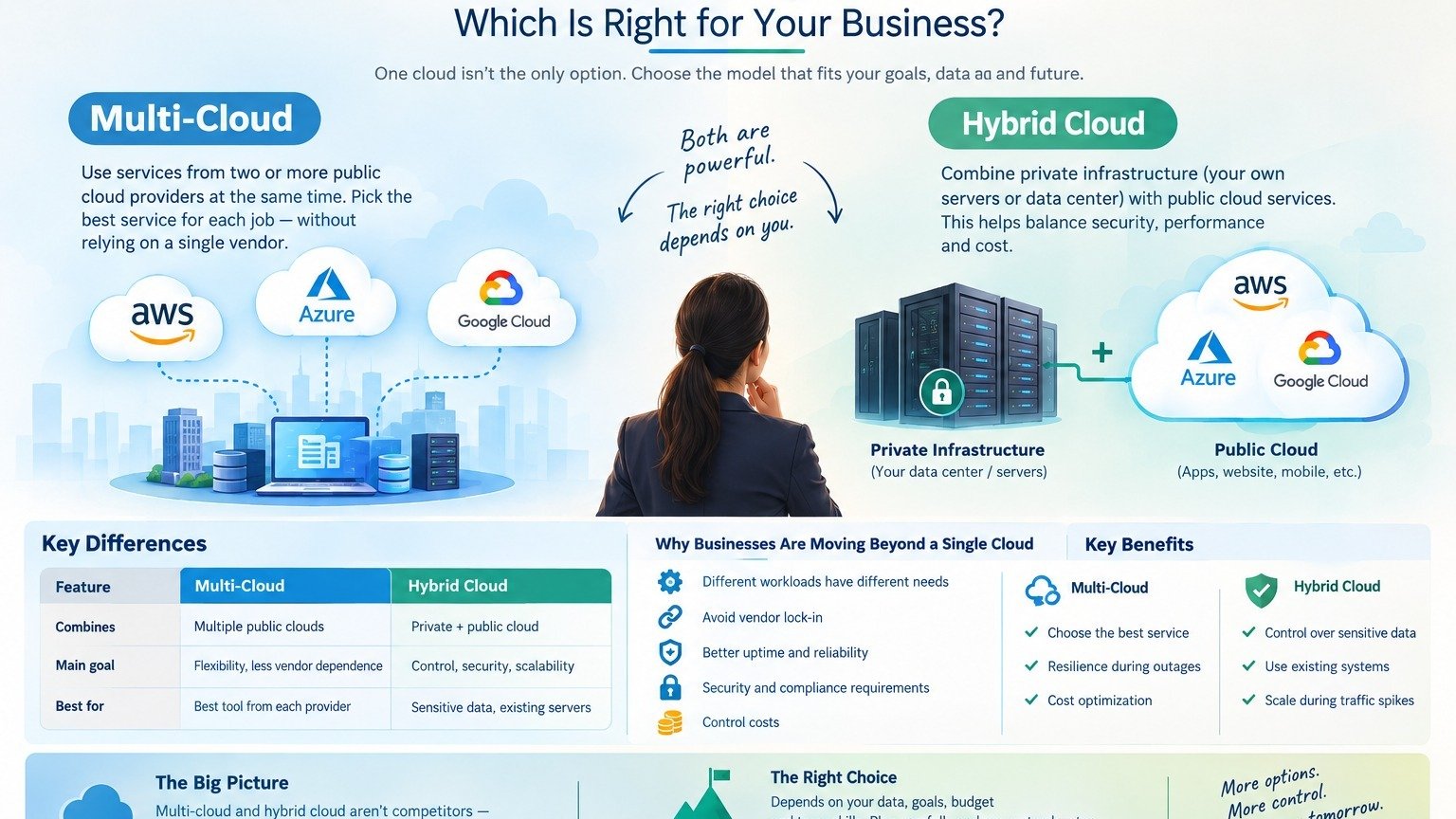
Multi-Cloud vs. Hybrid Cloud: Which Is Right for Your Business
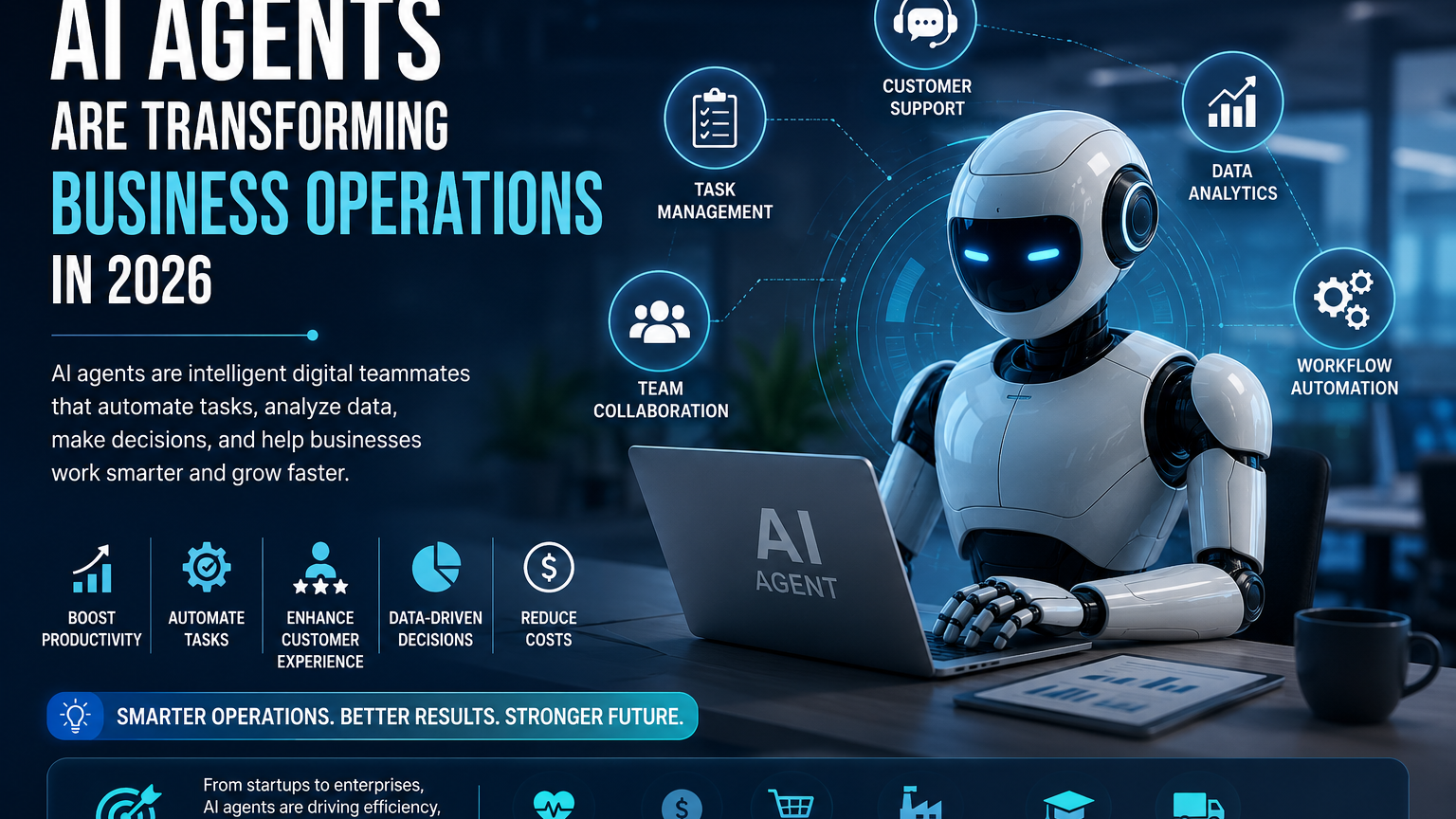
Explore how AI agents are reshaping businesses in 2026 with intelligent automation, data-driven decisions, and enhanced customer experiences.

Learn how AI agents help businesses automate tasks, enhance customer experiences, optimize workflows, and make data-driven decisions in 2026.
Our team can help you put these ideas to work — from AI creatives to the systems behind them.